Man Gets Into New Car. Then He Tries To Shift Into Drive—And Crashes Out: 'Who Is Telling Car Manufacturers That?'
"I feel like a Boomer."
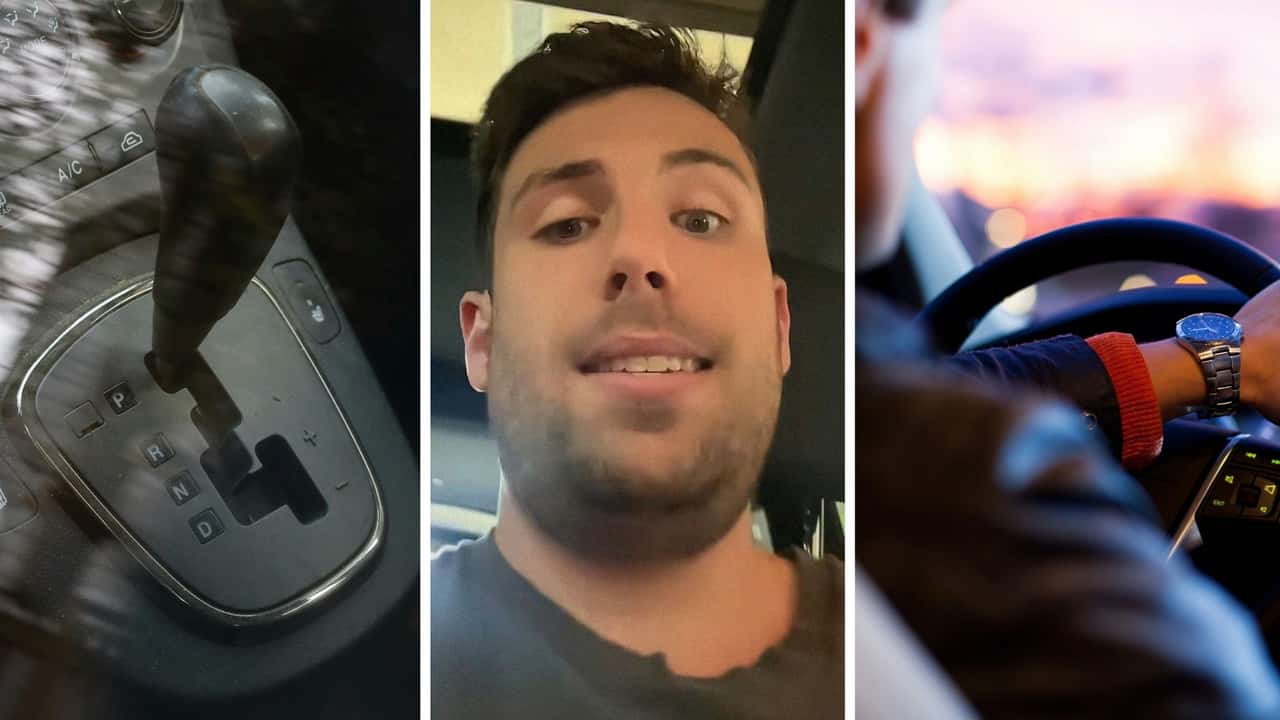

The pace of change in automotive engineering can be quite jarring for some drivers. As knobs have given way to screens and PRNDL become PRNDB, some people have found themselves feeling utterly lost behind the wheel.
One man's visceral reaction to the gearshift in a new car has prompted questions about over-engineering and consumer disconnect.
David (@benigniii) recently aired his grievances about vehicle manufacturers switching to buttons to shift gears instead of traditional stick and stalk mechanisms. Is there a benefit to phasing out old-school shifters? Or is it a case of companies simply not listening to consumers?
Does Anyone Like Button Gear Shifts?
“Who is telling car manufacturers that there’s something wrong with a traditional gear shift?” David says. “Because what is this?"
The vehicle has buttons for park, reverse, drive, and neutral. Above these selectors is a knob that allows the driver to select different modes.
While the initial layout of these switches seems straightforward enough, David goes on to demonstrate their peculiarities. “This button is park, okay, and this reverse. You think oh, okay, this button right here,” he says, repeatedly pressing a hidden button beneath that “R” selector that actually places the vehicle in reverse. The white “R” emblazoned on the plastic isn’t a button at all and doesn’t move when pressed.
Then he hits the neutral option which presses down as expected. The “drive” button is at the bottom and is circular and framed with a shiny metallic accent ring.
“Why are they buttons, why can’t I just, whoop, whoop, hear it click and then you go like this,” he says, mimicking a traditional center console gear shift with his hands.
“What happened? Why are we doing this? It doesn’t need to be buttons. Just give me a shift. Who wants this?” he asks.
Gallery: 2025 Acura RDX


Traditional Stick Shifts Versus Push Buttons
Typically, stalk-and-stick gear selectors operate via physical cables. Ones that utilize switches or buttons implement shift-by-wire technology.
They each present their own pros and cons for both drivers and carmakers.
Cable-powered stick and stalk mechanisms will eventually wear down, and parts, like shifter bushings, may need to be replaced, usually after many miles. However, a benefit to cable stalk-and-stick mechanisms is that this deterioration occurs over time. This means that drivers can often still shift their car even after it begins showing signs of wear. This affords them some time and a bit of forewarning that the part is going out, rather than it simply failing from one drive to the next.
Shift-by-wire tech all but eliminates the issue of cable/bushing degeneration, although new problems arise in its place. If a push-button gear shifting unit malfunctions, it may be difficult or impossible to put the car into drive.
Both digital and electrical failures can also occur. If sensors are not calibrated properly, this could also affect a vehicle’s ability to switch gears. There’s also shortages to wiring harnesses and failures in actuator motors to worry about. Moreover, low-voltage discharges from batteries can also prompt shift-by-wire systems to suddenly fail, potentially leaving drivers stranded.
"They're Overengineering Cars So That..."
One commenter speculated that the reasoning behind this shift is to make cars more difficult to fix.
“Because the more physical features they replace with electronic, the less you can work on or repair the vehicle. The ultimate goal is that you rent it from them, never own it and can only depend on them for any repairs,” they wrote.
A second person agreed, writing: “They’re overengineering cars so that you can’t work on them yourself. It’s also why no one else wants to work on them and the price of repairs has skyrocketed."
Yet another person opined that the shift has more to do with economics than a plot to foster dependency on automakers. “Shift sticks are probably more expensive to manufacture,” they wrote.
Motor1 has reached out to David via TikTok direct message for further comment.
RECOMMENDED FOR YOU
GMC Driver Gets A Sensor Error On Her Yukon. Why Has It Taken Months To Fix?
2027 Jeep Compass Gets A Price Hike As Standard Features Improve
Man Borrows Girlfriend’s Car. It Only Has 1 Mile In The Tank. She Says That Means It Has 15 Miles Left
Mercedes Boss Talks Electric E-Class, Developed From A 'White Sheet Of Paper'
Expert Warns ‘Elder Millennials’ From Buying Kia Telluride. Is He Right?
Karma Teases A Winged, Track-Ready Coupe For Halloween Reveal In Las Vegas
Woman's Certified Pre-Owned Genesis GV70 Starts Pulling. Suddenly, There’s Fluid On The Floor