Volkswagen Believes Gas Cars Will Become Obsolete—Just Like Horses
With or without an ICE ban, VW argues that people will discover EVs are better.

The Breakdown
- Volkswagen thinks EVs will naturally replace ICE cars.
- The transition should be encouraged rather than forced.
- VW sees gas cars following the path of horses.
A little over a fifth of all new cars sold in Europe so far this year are fully electric. According to data published by the European Automobile Manufacturers' Association (ACEA), EVs accounted for 20.9 percent of new registrations in the first four months of 2026. Nevertheless, there’s still a long way to go before everyone is convinced to make the switch.
According to Volkswagen, discussions about whether sales of new combustion-engine cars should be banned miss the bigger point. Martin Sander, Member of the Executive Board for Sales, Marketing, and After Sales, told Auto Express that the focus should be on why EVs are simply better cars overall, rather than lamenting the continued existence of gas and diesel engines.
VW’s thinking is that once more people realize electric vehicles are superior, there will be a natural transition from ICE to EV. Sander drew parallels with the early days of the automotive industry, when cars gradually began to replace horses as people recognized they were a better means of transportation. He believes the same will eventually happen with combustion-engine vehicles, with or without a ban, as EVs steadily take their place:

Gas Cars To Follow Horses Into History
'Somehow, over time, more and more people realized that for actually getting from A to B, a vehicle is much better than a horse. [Today] I look out of the window: not many horses—it’s predominantly cars. This is why I hate the discussion about the ICE ban. Everyone is just talking about the ICE ban.
How do you convince customers about a new technology if you’re only talking about when there will be a date when you are not allowed to use these vehicles—vehicles you have got used to over the last decades—anymore?'
Sander was referring to the European Union’s initial plan to ban sales of new combustion-engine cars from 2035. Facing pressure from the automotive industry, the EU has since softened its stance. Although new ICE cars will continue to be sold beyond the middle of the next decade, only a handful of models are likely to survive.
The EU wants automakers to slash fleet CO2 emissions by 90 percent by 2035 compared with 2021 levels, effectively leaving only a narrow path forward for combustion-engine vehicles. VW believes the focus should shift from mandating EVs to explaining their advantages while also improving charging infrastructure and lowering energy costs. Sander argues that by doing so, consumers will naturally gravitate toward electric cars rather than being pushed by regulations.
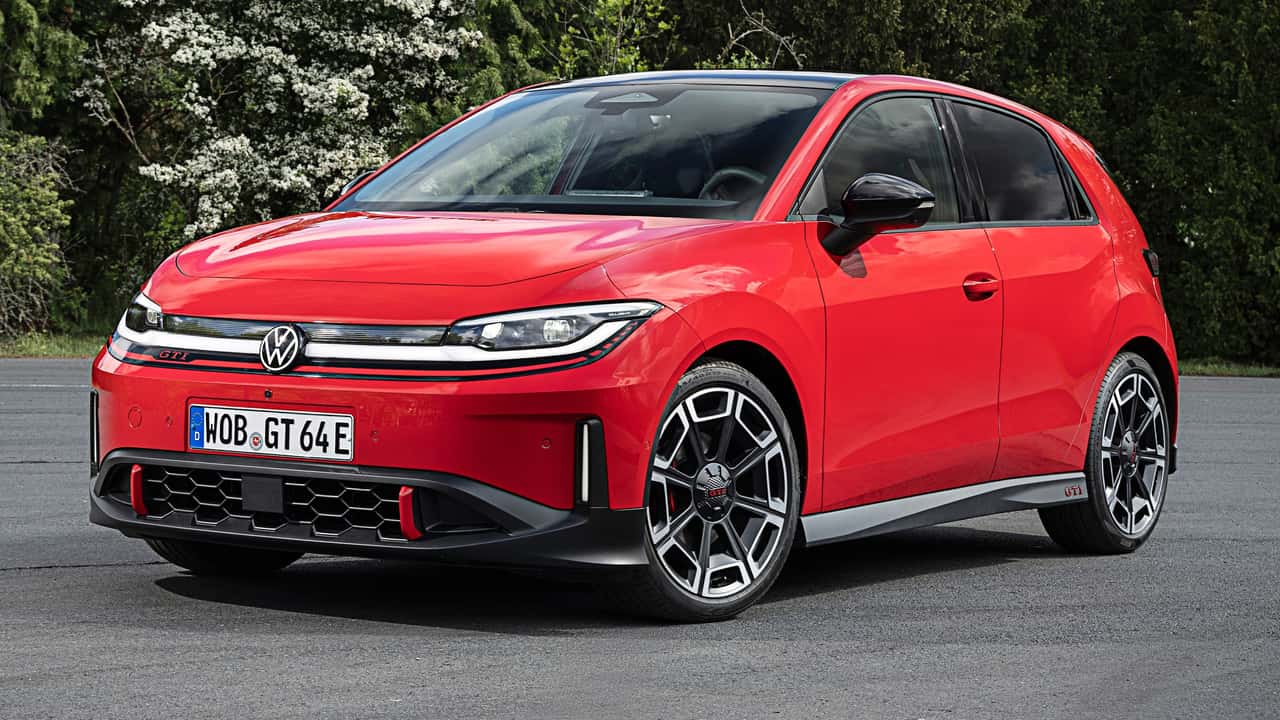
2026 Volkswagen ID. Polo GTI


Motor1's Take: VW has a point because, let’s face it, no one likes being forced to do something. Having freedom of choice is always preferable, and the German automaker argues that promoting the benefits of EVs will accelerate adoption, and gas-powered cars will eventually reach their natural end.
At the same time, it’s unrealistic to expect automakers to abandon combustion engines overnight. Today’s ICE sales fund the development of tomorrow’s EVs, and for now, one still largely depends on the other. Profit margins on electric vehicles remain slim or nonexistent for many traditional automakers, so conventionally powered cars are not disappearing anytime soon.
VW Is Doubling Down On EVs:
Source: Auto Express
RECOMMENDED FOR YOU
VW Group Says The Quiet Part Out Loud: EVs Are Still Less Profitable Than Gas Cars
Fiat's $14,000 Topolino Is Finally Street Legal In The US (Within Reason)
The Volkswagen Group Reportedly Wants To Put Chinese Software In European Cars To Cut Costs
A Used Porsche Cayenne Is A Lot Of SUV For The Money: Why Buy?
‘Gave You The Midas Touch’: Man Takes Volkswagen To Midas For An Oil Change. He's In Shock When They're Done
Mazda Is Quietly Killing One Of Its Most Unusual Engines
Volvo, Mercedes And VW Turn To Nvidia For European Self-Driving Push