How the relationship between car and chip manufacturers will be transformed
Chip manufacturer NXP Semiconductors aims to become a component supplier for car manufacturers. Let's find out why and what it means
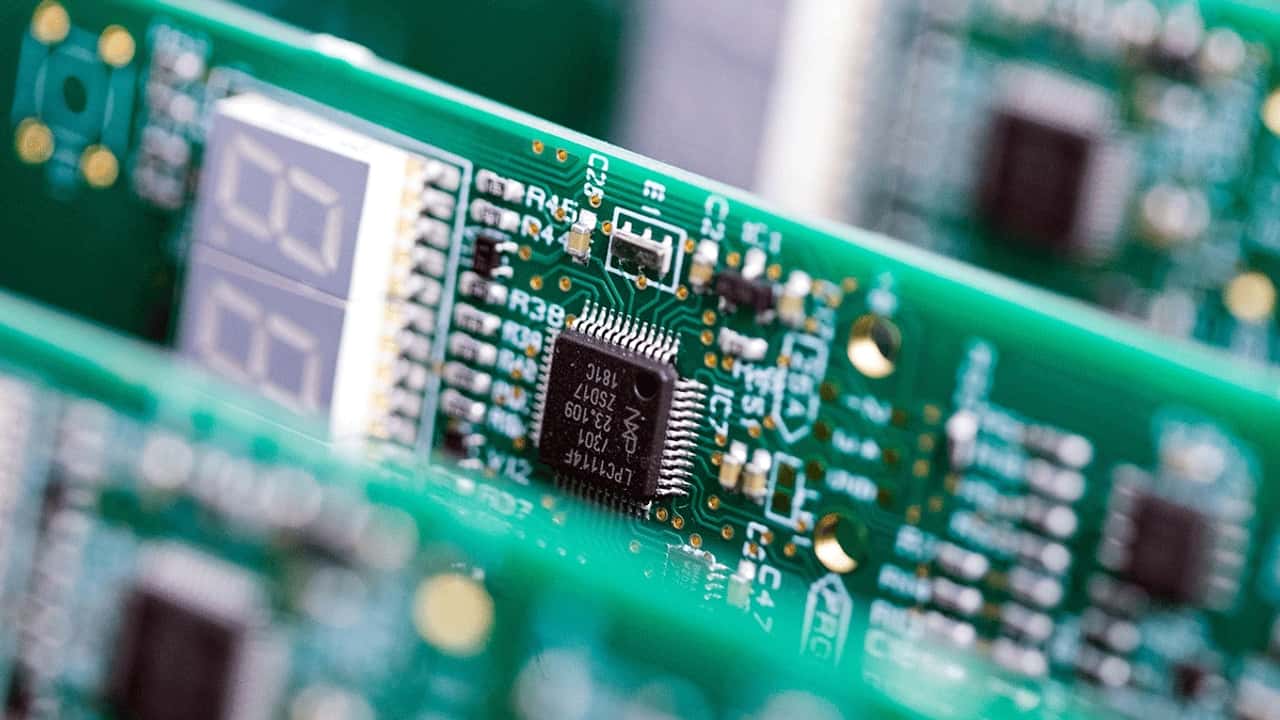

Often in the automotive world, chip manufacturers are traditionally regarded as Tier 2 suppliers, i.e. companies that make smaller parts for larger components, which are then assembled by other companies (Tier 1 suppliers) and sold to manufacturers.
However, the chip crisis has shown all the criticalities of this system, with production lines stopped due to a lack of semiconductors. Now something is changing, as told to Automotive News by Manuel Alves, head of automotive microcontrollers at NXP Semicondutors, a Dutch chip manufacturer and part of the Philips group, which has been supplying Bosch, Continental, BMW and Hyundai factories for several years .
According to Automotive News Europe, the company's goal for the next few years is to become a Tier 1 supplier, bypassing those who stand between it and the car manufacturers themselves. Let's find out how and why this decision could affect the entire automotive industry.
All because of Covid
The decision to switch from tier 2 to tier 1 supplier was taken by NXP Semiconductors - as well as other similar companies - during the Covid-19 pandemic.
As mentioned at the outset, the worldwide problem created a shortage of microprocessors for the automotive sector, a problem which in turn was so serious that several manufacturers began to forge deeper links with chip manufacturers, thus shortening the value chain by lowering costs and being able to count on a direct supply relationship. Considering the ever-increasing level of technology in modern cars, between infotainment and driver assistance systems, this is an essential solution.
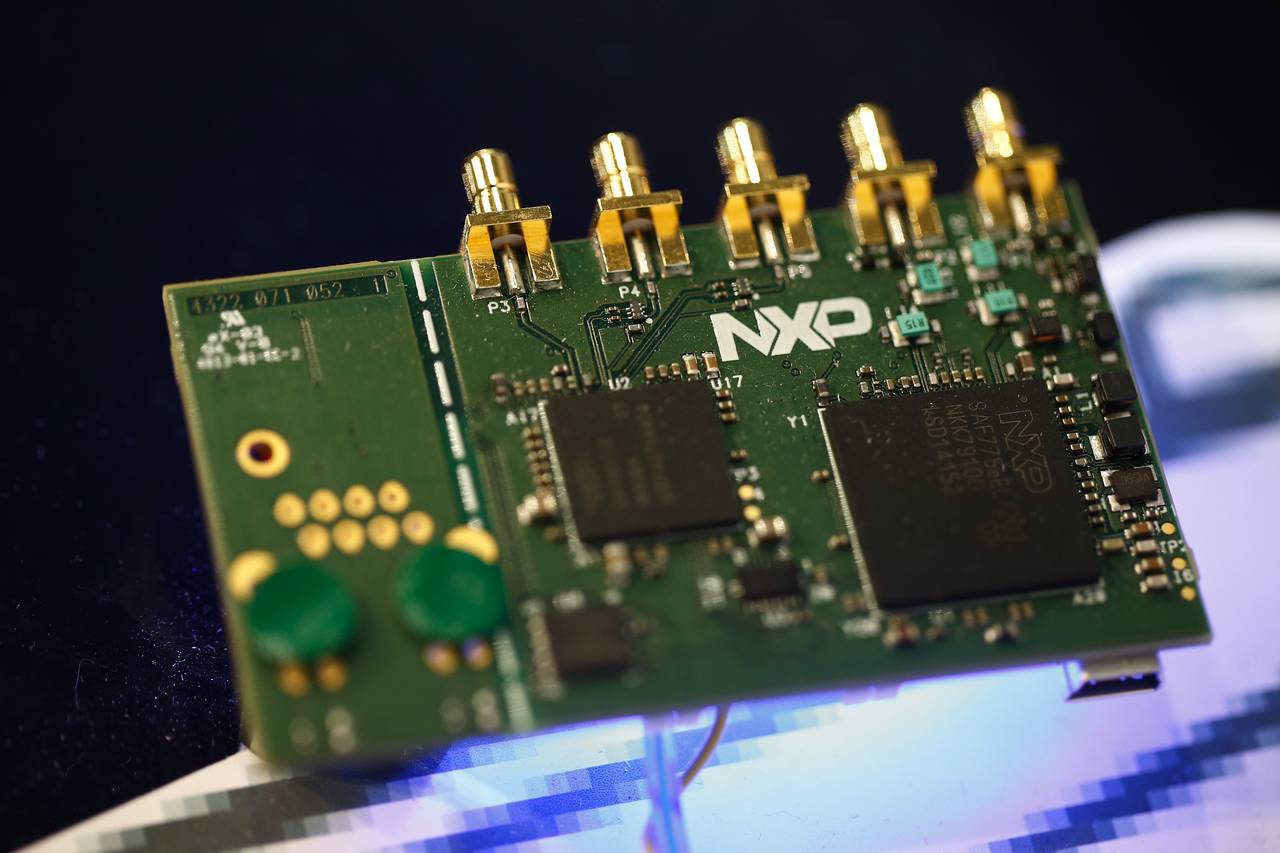
Nothing new so far, but the point is another. Taking NXP Semiconductors as an example, the expansion of its relationship with manufacturers has led the Dutch company to create the software/hardware solution called CoreRide, designed to combine the S32 processor with a suite of middleware (software that connects operating systems and hardware) created in collaboration with specialised companies.
According to Automotive News Europe, the new system will be important for the development of SDVs, or software-defined vehicles, coming in the next few years, and the decision to offer it to car manufacturers directly was made after the company saw car manufacturers struggling to create the software platforms needed for better digitisation of vehicle functions.
One solution for many accessories
NXP Semiconductors' new software suite has been designed together with a number of companies specialising in car software programming. These include names such as ArcherMind, Blackberry QNX, Green Hills Software, TTTech Auto, Vector Informatik and Wind River.
Thanks to their collaboration, NXP itself intends to create a specific middleware in the coming months and years, which will allow manufacturers to more easily control functions ranging from problem diagnostics to lighting, heating and ventilation. In short, a complete solution for a centralised IT platform with small cabling (a feature that also saves weight), which in the future will be able to control all car functions, with the exception of ADAS (Advanced Driver Assistance Systems) and infotainment systems.
NXP, in fact, sees the management of the infotainment system as the field of action of companies specialising in offering products focused on the consumer user experience, such as Qualcomm, while the processing of ADAS systems as the field of action of companies specialising in the integration of sensors (radar or lidar) such as Nvidia and Mobileye of Intel.
Read also:
RECOMMENDED FOR YOU

China's Zeekr Brand Wants To Give BMW And Mercedes A Run For Their Money: Interview
A Used Porsche Cayenne Is A Lot Of SUV For The Money: Why Buy?
BMW Moved 1 Million Cars Inside Plants Without Drivers
Mazda Is Quietly Killing One Of Its Most Unusual Engines
These Automakers Have The Strangest Headquarters
Are Hybrids Actually Less Reliable? The Answer Isn't So Simple
The BMW iX5 Makes A Strong Case Against The Gas X5: Driven