Next-Gen BMW Neue Klasse To Be Made In Mexico With $866M Investment
BMW aims to reach 50 percent of its worldwide sales of fully-electric vehicles ahead of 2030.


BMW Group is intensifying its efforts to transition to e-mobility and is poised for further growth with the introduction of its next generation of vehicles, the Neue Klasse. The company aims to reach 50 percent of its worldwide sales of fully-electric vehicles ahead of its target of 2030.
To achieve this, BMW is investing in the expansion of its international production network, including the construction of a new assembly center for high-voltage batteries in San Luis Potosí, Mexico. This investment of 800 million euros (or around $866 million with the current exchange rates) is expected to create around 1,000 new jobs.
Gallery: BMW Neue Klasse at Plant San Luis Potosí in Mexico

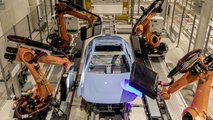
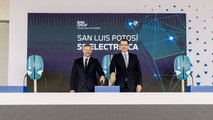


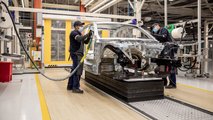
The BMW Neue Klasse vehicles will be produced in Debrecen, Hungary starting in 2025 and later in the main plant in Munich. The production in San Luis Potosí will start in 2027. BMW recently announced an investment of $1.7 billion in the expansion of its Spartanburg production site in the US, with a billion dollars designated for electric vehicle production and 700 million for a new battery assembly center in Woodruff. The company aims to build at least six fully-electric models in the US by 2030.
The new battery assembly center in San Luis Potosi will span an area of 85,000 square meters (914,932 square feet) and employ more than 500 workers, producing next-generation batteries for fully-electric vehicles. The plant, which went operational in 2019, already produces three models for 74 global markets, including the BMW 3 Series, 2 Series, and M2.
BMW EV Production:
The San Luis Potosi facility is highly flexible, allowing for minor adjustments to incorporate the new vehicle architecture. It is equipped with a second shift starting in April, adding 500 new jobs to the plant's workforce. BMW's master plan for production, the BMW iFactory, emphasizes flexibility and efficient processes.
The Neue Klasse vehicles will be powered by new, round lithium-ion battery cells specifically developed for the sixth generation of BMW eDrive technology. These batteries will offer an increased energy density of over 20 percent and improved charging speed and range by up to 30 percent. The CO2 emissions from cell production will be reduced by up to 60 percent due to the use of renewable energy sources and secondary materials like lithium, cobalt, and nickel.
Source: BMW
RECOMMENDED FOR YOU
China's Zeekr Brand Wants To Give BMW And Mercedes A Run For Their Money: Interview
Mazda Is Quietly Killing One Of Its Most Unusual Engines
BMW Moved 1 Million Cars Inside Plants Without Drivers
Do Hybrid Engines Actually Wear Out Faster? The Answer Isn't Simple
These Automakers Have The Strangest Headquarters
2027 Jeep Compass Gets A Price Hike As Standard Features Improve
The BMW iX5 Makes A Strong Case Against The Gas X5: Driven